
Gym & fitness insurance by state
Gym & Fitness Business Insurance in New York
From Manhattan boutique studios to upstate strength gyms — coverage built around member injury, the Secretary of State filing, and New York’s AED rule.
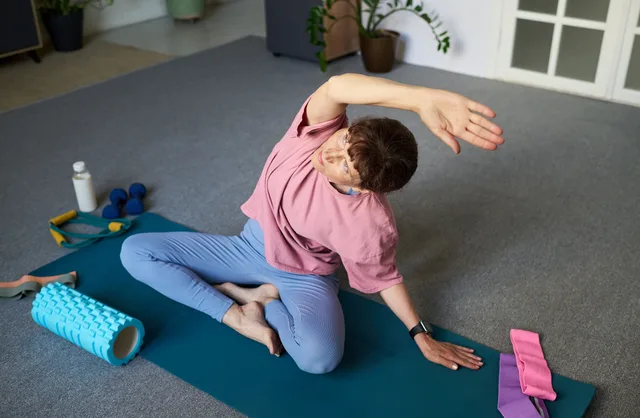

New York holds the densest fitness market in the country downstate — a wall-to-wall studio and high-rise-gym scene across the five boroughs and the suburbs beyond them — and a steady, winter-driven market of independent clubs upstate through Buffalo, Rochester, and Syracuse. It is a demanding place to run a gym, and two things about insuring one here are specific enough to get wrong if you assume New York works like everywhere else.
The first is a filing tied to the money your members pay in advance. The second is an AED rule that turns on how many members you have. Neither is a reason not to operate here; both are reasons to structure the program deliberately. This page walks through what actually governs a New York gym, and how the coverage is built around the member injury that defines the trade.
New York files your prepaid-dues security with the Secretary of State — it does not license the gym
New York regulates gyms through the health-club services law (N.Y. General Business Law Art. 30). The name suggests something broader than what it is, so here is the substance: a consumer-finance statute: it requires health clubs selling longer-term memberships to file a bond, letter of credit, or certificate of deposit with the Secretary of State to protect prepaid dues, and governs contract and cancellation rights. It is not a facility-safety license.
In practice, a bond, letter of credit, or certificate of deposit filed with the Secretary of State to secure prepaid memberships of twelve months or shorter term; small prepaid exposures are exempt. The filing goes to the New York Department of State, and that placement is the point worth underlining — the Secretary of State is a filing office, not a regulator of how your gym runs. It holds your security so a member who loses prepaid money because a club closes can recover against it; it does not inspect your floor, approve your equipment, or resolve a dispute about your services. Registering the prepaid exposure tells the state your members’ advance payments are secured. It says nothing about whether a member injured on your floor is covered — and that second question is the one a general liability program exists to answer.
That gap is where insurance lives. The Art. 30 filing settles what happens to prepaid dues if you close; it is silent on what happens when someone is hurt doing the thing they came in to do. Owners who treat the filing as their compliance box and stop there have secured their members’ money and left the injury exposure untouched.
The New York AED rule turns on member count, and most city clubs clear it
Separately from the prepaid-dues filing, New York requires a health club with 50 or more members to keep an AED on premises and a trained employee available (Gen. Bus. Law §627-a). It is a real presence mandate rather than a general good-samaritan provision, and the member-count threshold is one that most New York City studios and full-size gyms clear easily — the practical question for a smaller upstate club is whether it sits above or below that line. Meeting the mandate is a compliance step; the liability around a medical emergency on your floor is a separate matter, and it is the coverage side of the same event.
Where a New York member injury actually lands
Underneath the state-specific detail, a New York gym carries the same defining exposure as a gym anywhere: someone gets hurt doing exactly what they came in to do. What varies is the physics of the room, and New York runs all of it. A strength or functional-fitness gym lives with loaded-movement injury — the dropped bar, the failed rep, the rack and whoever is near it. A cycling or bootcamp group-fitness studio lives with class-volume tempo, many bodies moving fast under one instructor’s eye. A yoga or Pilates studio lives with the instructed movement and the hands-on adjustment, where the claim tends to follow what was taught.
Three different injury profiles, and in a market this dense plenty of New York facilities run more than one under a single roof. That is why a gym program here is usually built as one structure covering general liability, professional liability for the instruction, commercial property for the equipment, workers compensation for the staff, and umbrella limits over the top — sized to the real blend of activities rather than a single label. Waivers matter here too, and New York courts read them narrowly: worth having, never a guarantee, and never a substitute for the coverage that pays when a claim lands.
How a claim reads on a crowded New York floor
The claims that reach a New York gym owner rarely look dramatic on the surface. A member finishes a heavy set and the bar comes down wrong. Someone steps off a treadmill still moving and goes down. A rider three songs into a packed class catches a pedal. A studio member says an assisted stretch went further than they agreed to. None of these require a broken machine or an obvious lapse — the member was doing what your facility exists to let them do, and it went wrong. That is participant injury, and it is what a generic small-business policy, priced for a retailer’s slip-and-fall, is least prepared for.
What makes the difference in a New York claim is usually not the injury but the paperwork and the posture around it — whether the member who got hurt had signed anything, whether the instruction that preceded the injury is defensible, and whether the AED and trained-staff obligation was being met when the emergency was a medical one. The incident report your team files, the waiver on record, and the way the class was run are the facts a defense is built from. We would rather walk a New York owner through where those exposures sit than have them discover the gaps during the claim that follows a class.
Staff comp, equipment, and the rest of a New York program
workers compensation is placed with a private carrier; for a fitness business the exposure is staff — trainers demonstrating movements under load, instructors teaching several classes a day, and front-desk and cleaning staff — so classifications and employers liability sizing matter more than the modest payroll suggests. On the property side, New York gyms tend to be equipment-dense — racks, plate-loaded and selectorized machines, cardio fleets, flooring, and mirrors are often the largest concentration of value in the space — and commercial property answers damage to those assets while business income answers the harder problem behind them: the month the doors stay shut while membership revenue stops but the lease payment does not. Most New York studios lease, which puts the build-out and the split between the landlord’s policy and yours squarely in the conversation. Many own no vehicles at all, which is exactly why commercial auto gets overlooked — hired and non-owned auto answers a staff member driving their own car for the business.
From New York City studios to upstate clubs
New York runs from the enormous studio-and-gym market of New York City through the winter-driven independent clubs of Buffalo, Rochester, and Syracuse, with Yonkers and the downstate suburbs in between. We place coverage across all of it — for owners who want a program built around how a New York facility actually runs rather than a generic form. If you want a plain read on the Secretary of State filing, the AED rule, and the coverage that sits alongside them, send us your details and we will walk you through it.
Why Gym Guard Insurance in New York
We are an independent agency that writes one class — gyms and fitness facilities — and we read a New York quote against other New York quotes. That means we check the things that actually decide whether a policy will work here: how participant injury is treated, whether the professional liability alongside is real, how the staff comp is classified, and whether the program reflects the real mix of barbell, class, and studio activity under your roof. New York files prepaid-dues security with the Secretary of State (General Business Law Art. 30) and, separately, requires an AED and a trained employee at any club with 50 or more members (§627-a) — a threshold most city studios clear easily.
Learn more
- General Liability Insurance — member and guest injury on your premises, the signature line.
- Professional Liability Insurance — the injury that follows instruction.
- Workers Compensation Insurance — the staff side, placed through New York’s private market.
- New York gym insurance cost guide — what moves a quote in New York up or down, state rules included.
- Strength & weightlifting gyms · Group fitness & cycling studios · Yoga & Pilates studios
- All states we serve · All coverage lines
Gym and fitness insurance in New York — FAQ
Before we sell annual memberships in New York, do we have to file anything with the state?
If your club sells the kind of longer-term memberships the statute reaches, you generally file security — a bond, a letter of credit, or a certificate of deposit — with the New York Secretary of State to protect members’ prepaid dues, and small prepaid exposures are exempt. What that filing is not is a facility license: the Secretary of State holds your security and confirms your filing, but does not inspect your floor, approve your equipment, or judge whether your coverage is adequate. It answers what happens to prepaid money if you close, and nothing about what happens when a member is hurt.
Our club has more than fifty members — does New York require us to keep an AED on site?
Yes. New York requires a health club with 50 or more members to keep an AED on premises and have a trained employee available (Gen. Bus. Law §627-a), and that is a threshold most city studios and gyms clear without thinking about it. Meeting the requirement is a compliance step, not a coverage strategy — the device and the trained staffer are what the statute asks for, while the liability that surrounds a medical emergency on your floor is the separate conversation an insurance program exists to have.
Does a signed waiver stop an injured New York member from bringing a claim against our gym?
It does not stop the claim, and New York limits how far a waiver reaches — a signed release is worth having and worth keeping current, but it is a document a plaintiff’s attorney will test, not a wall. The claim still arrives, the defense still has to be built, and the general liability coverage behind it is what actually responds. Treat the waiver as one piece of the file your staff maintains, alongside the incident report and the record of how the class was run, rather than the thing that makes injury claims impossible.
We run spin, barbell, and reformer classes out of one Manhattan studio — is that one policy or several?
It is usually one program written to reflect the whole mix, and the blend is exactly what an underwriter wants described. High-tempo cycling, loaded barbell work, and hands-on reformer instruction carry three different injury profiles under a single roof, and a New York gym program covers general liability for the member on the floor, professional liability for the instruction, property for the equipment, workers compensation for the staff, and umbrella limits over the top as one structure sized to what you actually run. Telling us the real combination, rather than picking the label that sounds simplest, is what gets the coverage right.
Does a New York gym have to carry workers compensation for its trainers and staff?
New York places workers compensation through the private market, and for a fitness business the staff exposure is real — trainers demonstrate movements under load, instructors teach several classes a day, and front-desk and cleaning staff work full shifts. Comp answers the employee who gets hurt while general liability answers the member on the floor; they are two different systems covering the same room. The piece owners tend to under-think is classification and the employers-liability sizing behind the comp, which is where a gym-specific read matters more than the modest payroll suggests.
What actually drives the cost of gym insurance in New York?
There is no single New York number, because premium follows your specific operation — your payroll and staff classifications, your revenue and membership base, the square footage and equipment on your floor, the formats you run, and your claims history. A Brooklyn boutique studio and an upstate strength gym of the same size look very different to an underwriter, and downstate density is itself a factor. We price to the real risk across the New York market rather than a generic guess, and we will walk you through the drivers that actually move the number.
Sources
The New York regulatory statements on this page are drawn from primary government sources. Verify them directly:
- New York General Business Law Article 30 (Health Club Services) — the health-club statute and its prepaid-dues protections
Get gym insurance built for how you run in New York
Tell us your formats, your staff, your equipment, and whether you subscribe to workers compensation — and we will market it to carriers that write the class across New York.