
Gym & fitness insurance by state
Gym & Fitness Business Insurance in Nebraska
From the Omaha and Lincoln metros to Grand Island and Kearney — coverage built around member injury for a franchise-heavy, mid-sized market.
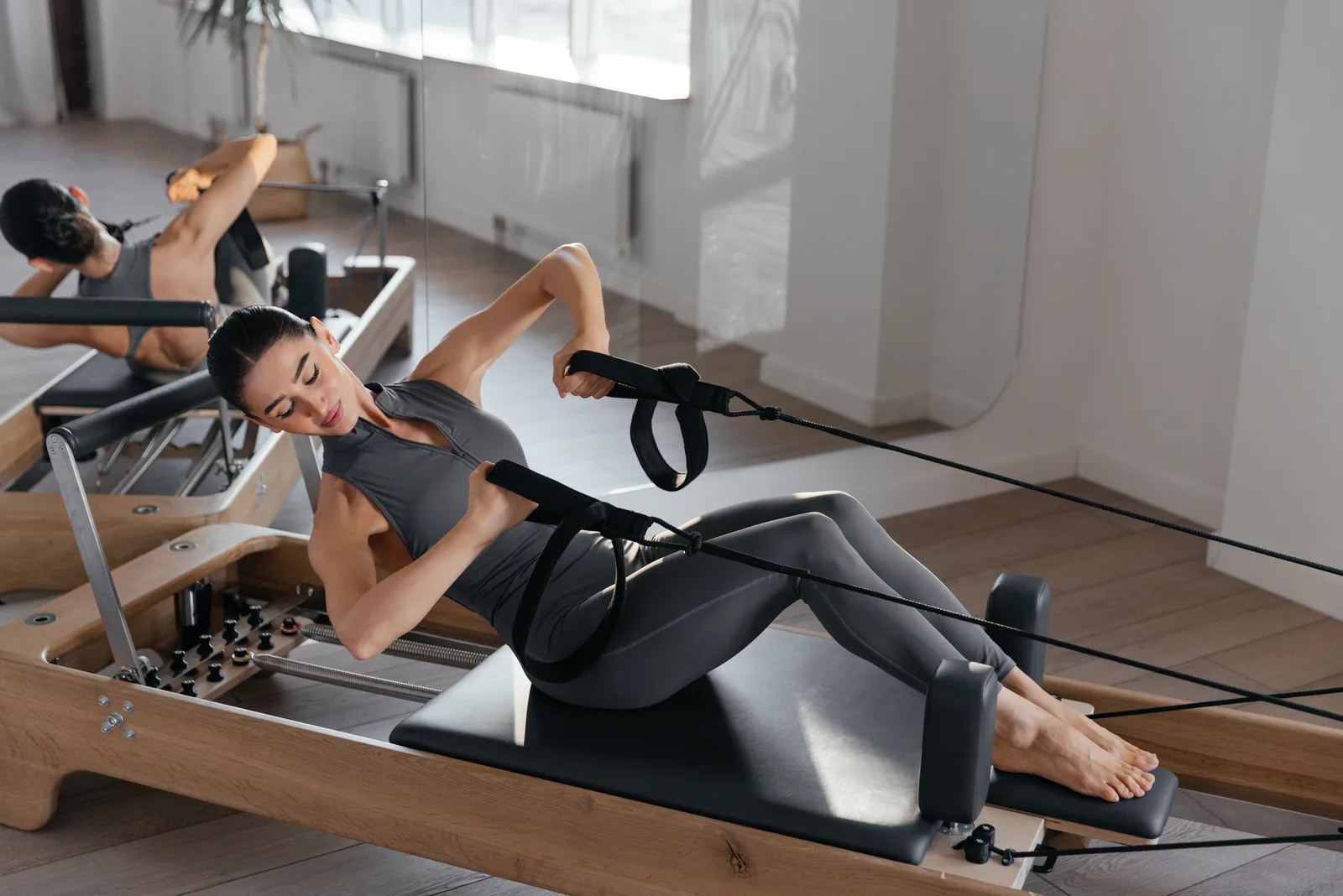

Nebraska is a steady, mid-sized gym market where the franchise model does much of the heavy lifting. Omaha and Lincoln anchor it, with Bellevue in the metro and Grand Island and Kearney carrying demand out-state, and the franchise presence is heavy — a lot of the gyms and studios opening here run on a franchise model, with strong indoor winter use keeping floors busy. It is a good place to operate, and the thing that shapes the risk picture is how a facility runs and what its contracts require, not a health-club statute, because Nebraska does not have one.
That single fact matters, so this page states it once and then moves to what actually carries the weight here: the franchise and lease requirements that bind an owner, the member injury that defines the trade, and the coverage built around both for a Nebraska facility.
Nebraska has no health-club statute — general consumer law is the backdrop
Nebraska regulates gyms only through its general consumer statutes. Nebraska has no health-club-specific act; gym memberships fall under the general Consumer Protection Act and Uniform Deceptive Trade Practices Act, with no registration, bonding, or escrow regime. There is no registration to file, no prepaid-dues bond to post, and no state office that licenses or inspects a fitness facility. For an owner that removes a compliance step some states impose — but it also means nothing state-specific steps in to answer the real exposure of running a gym. The protection that matters here is the one you place: the general liability program that answers a member hurt on your floor, and the lines around it. In a state with no dedicated statute, the coverage is not a supplement to compliance; it carries the risk.
In a franchise-heavy market, the contracts set the real requirements
With so much of the Nebraska market running on franchise models, the requirements that actually bind an owner often come from the franchise agreement and the landlord’s lease rather than the state. A specific general liability limit, an umbrella requirement, an additional-insured endorsement, a waiver of subrogation — these are private-contract obligations, and a program that satisfies the light state backdrop can still fall short of what a franchisor or landlord demands. We read those requirements against the coverage so the program meets the contracts you are actually signing, which in Nebraska is where the real compliance pressure sits.
Beneath the market, one exposure defines every Nebraska gym
Underneath the market detail, a Nebraska gym carries the same defining exposure as a gym anywhere: someone gets hurt doing the exact thing they came in to do. What changes is the physics of the room. An Omaha strength gym or functional-fitness box lives with loaded-movement injury — the dropped bar, the failed rep, the platform and whoever stands near it. A bootcamp or cycling studio lives with class-volume tempo, many bodies moving fast under one instructor’s eye. A yoga or Pilates studio lives with the instructed movement and the hands-on adjustment, where the claim tends to follow what was taught.
Three injury profiles, and plenty of Nebraska facilities run more than one under a single roof. That is why a program here is usually one structure covering general liability, professional liability for the instruction, commercial property for the equipment, and umbrella limits over the top — sized to the real blend rather than one label. Waivers matter here too: worth having, never a guarantee, and never a substitute for the coverage that pays when a claim lands.
The equipment-dense floor and the winter-season closure
Nebraska gyms tend to be equipment-dense, and in a strength or functional-fitness facility the racks, platforms, machines, cardio fleets, flooring, and mirrors are often the largest single concentration of value in the building. Commercial property answers damage to those assets, and business income answers the harder problem behind it — the stretch the doors stay shut while membership revenue stops but the lease payment does not, which stings most in the busy winter season. Most Nebraska studios lease their space, which puts the build-out and the split between the landlord’s policy and yours into the conversation. Many own no vehicles at all, which is why commercial auto gets overlooked — hired and non-owned auto answers a staff member driving their own car for the business.
Workers compensation for Nebraska fitness staff
Nebraska places workers compensation through the private market, so the work is in the classifications and the employers liability limits rather than a coverage election. Workers compensation answers the staff member hurt on the clock — the trainer under load, the instructor teaching several classes a day, the front-desk and cleaning staff on full shifts — while general liability answers the member on the floor. Same room, two different systems, and a Nebraska program keeps both sized correctly rather than assuming a modest payroll means a modest exposure.
The instructed-movement exposure earns its own line. Where a member says the injury followed what a trainer cued, programmed, or adjusted rather than a hazard on the premises, professional liability is the coverage that responds — a different claim from a floor slip, and one general liability does not always reach. As Nebraska gyms add coached and personal-training services, the professional side of the exposure grows with them, statute or no statute.
That franchise density is why the contracts, not the state, tend to set the real bar in Nebraska. A franchise agreement frequently specifies a general liability limit, an umbrella requirement, an additional-insured endorsement, and a waiver of subrogation, and a landlord’s lease adds its own insurance terms — private obligations a light state backdrop does nothing to satisfy. A program that clears the state can still fall short of a franchisor’s checklist, and reconciling the two is where a Nebraska owner’s real compliance work sits.
The winter concentrates the exposure the way a cold season does elsewhere: fuller classes, denser equipment use, and a participant-injury profile that runs hard through the months members train indoors. Sizing the general liability limits and the property values to a busy winter floor, rather than to an average, is part of getting a Nebraska gym covered correctly. Waivers help without shielding — a signed release supports a defense and discourages some claims but never makes one impossible or replaces the coverage — and a claim, when it comes, usually looks ordinary: a set gone wrong, a treadmill stumble, an edge caught in a packed class, an adjustment disputed after the fact. What decides it is the record around it, which is why the waiver, the incident report, and defensible instruction are worth a routine long before one is tested.
Where we write gyms across Nebraska
Nebraska centers on the Omaha and Lincoln metros (Bellevue) plus Grand Island and Kearney, a mid-sized market with steady franchise demand and strong indoor winter use. We place coverage across all of it — the strength gyms and functional-fitness boxes of Omaha and Lincoln, the studios of Bellevue, and the scene across Grand Island and Kearney — for owners who want a program built around how a Nebraska facility actually runs, and around the contracts it signs, rather than a generic form. If you want a plain read on what governs a gym in a no-statute state and the coverage that carries the risk, send us your details and we will walk you through it.
Nebraska comes down to a simple substitution: where other states put a statute, Nebraska puts the contracts. With no dedicated health-club act, the requirements that actually bind an Omaha or Lincoln owner come from the franchise agreement and the landlord’s lease, and the risk itself comes from how the facility runs — the busy winter floor, the coached classes, the equipment concentrated in one room. A program that clears the light state backdrop can still fall short of a franchisor’s insurance schedule, so we read those private contracts against the coverage and reconcile the two before a gap turns into a problem. And because nothing in the state steps in to answer a member injury, the general and professional liability lines carry the full weight here — sized to a busy floor, matched to whatever the contracts require, and kept current as the business grows. It is not complicated work, but it is easy to skip, and skipping it is how an owner discovers at claim time that the policy never matched the gym.
Why Gym Guard Insurance in Nebraska
We are an independent agency that writes one class — gyms and fitness facilities — and we read a Nebraska quote against other Nebraska quotes. That means we check the things that actually decide whether a policy will work here: how participant injury is treated, whether the professional liability alongside is real, whether the program meets the franchise and lease requirements that bind a Nebraska owner, and whether it reflects the real mix of barbell, class, and studio activity under your roof. Nebraska has no dedicated health-club statute — gyms sit under general consumer law — so the state’s story is its Omaha–Lincoln market rather than a registration or bonding regime.
Learn more
- General Liability Insurance — member and guest injury on your premises, the signature line.
- Professional Liability Insurance — the injury that follows instruction.
- Umbrella Liability Insurance — the excess limits a franchise or lease often requires.
- What shapes gym premiums in Nebraska — the facility factors behind the price, written for owners.
- Strength & weightlifting gyms · Group fitness & cycling studios · Yoga & Pilates studios
- All states we serve · All coverage lines
Gym and fitness insurance in Nebraska — FAQ
With no dedicated Nebraska health-club statute, what actually governs our gym memberships?
The general consumer laws. Nebraska has no health-club-specific act — no registration, no prepaid-dues bond, and no escrow regime aimed at gyms. Membership contracts fall under the general Consumer Protection Act and the Uniform Deceptive Trade Practices Act, the same statutes that govern most consumer businesses in the state. That makes the compliance picture simpler than in the registration states, and it also means nothing state-specific steps in to protect prepaid dues or answer the real exposure of running a gym. The absence of a dedicated statute is a genuine feature of operating in Nebraska, and it puts the weight on the coverage rather than on a filing.
We run a franchised gym in Omaha — does the franchise agreement change what insurance we need?
Often more than the state does. In a franchise-heavy market like Omaha and Lincoln, the requirements that actually bind an owner frequently come from the franchise agreement and the landlord’s lease rather than a Nebraska statute — a specific general liability limit, an umbrella requirement, an additional-insured endorsement, a waiver of subrogation. Those are private-contract obligations, not state law, and a program that satisfies the state can still fall short of what your franchisor or landlord demands. We read those requirements against the coverage so the program meets the contracts you are actually signing, which is where the real compliance pressure sits here.
How does workers compensation work for fitness staff in Nebraska?
Nebraska places workers compensation through the private market, so the work is in the classifications and the employers liability limits rather than in a coverage election. Workers compensation answers the staff member hurt on the clock — the trainer demonstrating a movement under load, the instructor worn down teaching several classes a day — while general liability answers the member on the floor. Same room, two different systems, and a Nebraska program keeps both sized correctly rather than assuming a modest payroll means a modest exposure.
What does a member-injury claim look like at a Nebraska gym?
Rarely dramatic on the surface. A member finishes a heavy set and the bar comes down wrong. Someone steps off a treadmill still moving and goes down. A participant several rounds into a packed class catches an edge. A studio member says an assisted stretch went further than they had agreed to. None of these needs a broken machine or an obvious lapse — the member was doing the thing your facility exists to let them do, and it went wrong. That is participant injury, the exposure general liability is built for, and what usually decides the claim is the record around it: the waiver on file, the incident report, and how the class was run.
Does a signed waiver protect our Nebraska studio from injury claims?
A waiver helps, but it is not a shield, and what it does varies by state. A well-drafted, signed waiver can support the defense of a Nebraska claim and can discourage some claims from being brought at all — but it never makes injury claims impossible, and it is never a substitute for the coverage that pays when a claim lands. Treat the waiver as one part of the record that helps a defense, alongside the incident report and defensible instruction, rather than as the thing standing between you and a loss. The coverage is what actually answers the claim; the waiver is support, not a replacement.
What drives the price of gym insurance in Nebraska?
Your specific operation, not a statewide rate. Premium follows your payroll and staff classifications, your revenue and membership base, the square footage and equipment on your floor, the formats you run, any franchise or landlord limit requirements, and your claims history. An Omaha strength gym and a Lincoln yoga studio of the same size look very different to an underwriter. We price to the real risk across the Nebraska market rather than a generic guess, and we walk you through the specific drivers that move the number so nothing about the quote is a mystery.
Sources
The Nebraska regulatory statements on this page are drawn from primary government sources. Verify them directly:
- Nebraska Attorney General (Consumer Protection) — the administering agency
Get gym insurance built for how you run in Nebraska
Tell us your formats, your staff, your equipment, and any franchise or lease limit requirements — and we will market it to carriers that write the class across Nebraska.