

A gym needs one policy for each way a claim can reach it: a member hurt on the floor, an allegation about instruction, an injured employee, damaged equipment or a closed space, a vehicle on a business errand, and a loss that outruns a limit. Six lines cover those, and none of them stands in for another.
This page is a map, not a price list and not a sales page. Each section below names the question a claim asks, the line that answers it, and the page where that line is covered in full. What a program costs is a separate subject, and the national cost guide takes it on.
Start from the claim, not the policy name
A list of policy names is accurate and close to useless as a starting point, because a claim does not arrive labeled with a policy name. It arrives as a story about what happened and who it happened to: a member, a trainer’s client, an employee, a driver, a landlord.
The line that answers is chosen by what the person alleges and who they are to your business. Reading the program from the story outward is easier to follow than reading it from the policy list inward, and it shows where a gap sits. The map below is that reading in one place.
Three seams matter more than the rest. A member and a staff member can suffer the same injury from the same machine, and the two claims land on different lines. The same piece of equipment can be a property loss and a liability claim at once. And one incident can produce an allegation about the room and another about the instruction in the same week. Each section after the map takes one line and says where it stops.
A member is hurt on your floor: general liability
General liability answers the claim from a member or guest who says the room, its equipment, or the way the floor was run caused an injury. The dropped bar, the treadmill fall, and the box-jump miss all arrive here as claims against your business. The general liability page covers the line in full.
The claimant does not have to be a paying member. A guest on a trial visit, a friend who came along to watch, and a visitor who walked in to ask about pricing can all allege an injury on your premises, and the line answers them as well. That matters when you think about paperwork, because a release only speaks for the person who signed it.
A signed release belongs in this conversation, and it is smaller than owners hope. It records what the member agreed to accept, and it does not stop a claim from arriving. What a release does and does not do varies by state, which is why the waiver post treats it as a defense document rather than a substitute for the policy.
A member says the instruction caused it: professional liability
Professional liability answers an allegation about the instruction itself: the programming, a form cue, a spotting decision, or a modification offered to someone working around an old injury. It is a different question from the condition of the room, and the professional liability page is built around that difference.
The two allegations can arrive in the same letter, which is what makes the split worth understanding before a claim rather than during one.
Real-World Scenario: A member finishes a class, says the instructor’s cue is why a shoulder hurts, and a letter arrives. The same letter also mentions a mat that was slick that morning. One afternoon, one injury, and two separate questions: one about the room and one about the instruction. Which policy answers which part is decided by what the letter alleges, not by what anyone at the gym believes happened.
Someone on your payroll is hurt at work: workers’ compensation
Workers’ compensation answers an injury to a person who works for you: front desk and floor staff, and instructors who demonstrate movement under load. It is a separate line from member injury even when the mechanism is identical. The workers’ compensation page sets out how the line works and where it meets the rest of the program.
It is also a state system. The U.S. Department of Labor directs people injured at work for private employers to their state workers’ compensation board, so your state’s board is where the specifics for your facility live.
Classification is the question to settle early. Whether a trainer paid on an invoice is treated as an employee for this policy is a classification question, and the label on the agreement does not settle it. The IRS describes its own test as weighing the facts that show control and independence, and that is a federal employment-tax test. The trainers post follows the same question through payroll, comp, and liability at once.
The equipment, the space, and the month the doors stay shut: property
Property answers damage to what you own or are responsible for: racks, platforms, machines, flooring, mirrors, and the build-out around them. With business income coverage attached, it also answers the revenue lost while a covered loss keeps the doors closed. The property page explains why equipment value concentrates so heavily in a single room.
Property and liability meet at the same piece of steel. A rack that fails is a property claim for the rack and a liability claim for the member it lands on, and the two answers come from different policies.
If you lease, the lease sets who insures the building and what your policy has to show the landlord. A certificate is evidence that a policy exists, and the protection a landlord actually wants comes from an endorsement that names them. The certificates and landlords post explains the difference and the blanks that both have to be filled.
A staff member drives on a business errand: commercial auto
Commercial auto answers a claim from a vehicle used for the business. For a gym that may be a staff member’s own car on a supply run or an owner driving to run a session offsite, not a van with your name on the door. The commercial auto page leads with that reality.
A gym with no vehicle on its books can still carry the exposure, because the trip creates it and the title does not. A personal auto policy can treat business driving differently from personal driving, so read yours before assuming it responds.
The claim that outruns the limit: umbrella
An umbrella answers a severe claim after the limit beneath it has been spent. It sits above general liability, commercial auto, and employers liability, and it adds height rather than new coverage, so it is only as sound as the policies under it. The umbrella page covers how it attaches.
A lease or franchise agreement can set a limit higher than a primary policy carries, and the umbrella is the layer that closes that difference. Whether the instruction line sits beneath it too is a question to ask on the quote, not one to assume.
How the way you run the gym changes the program
The six lines stay the same as your operation changes. What changes is how each is written around what you do.
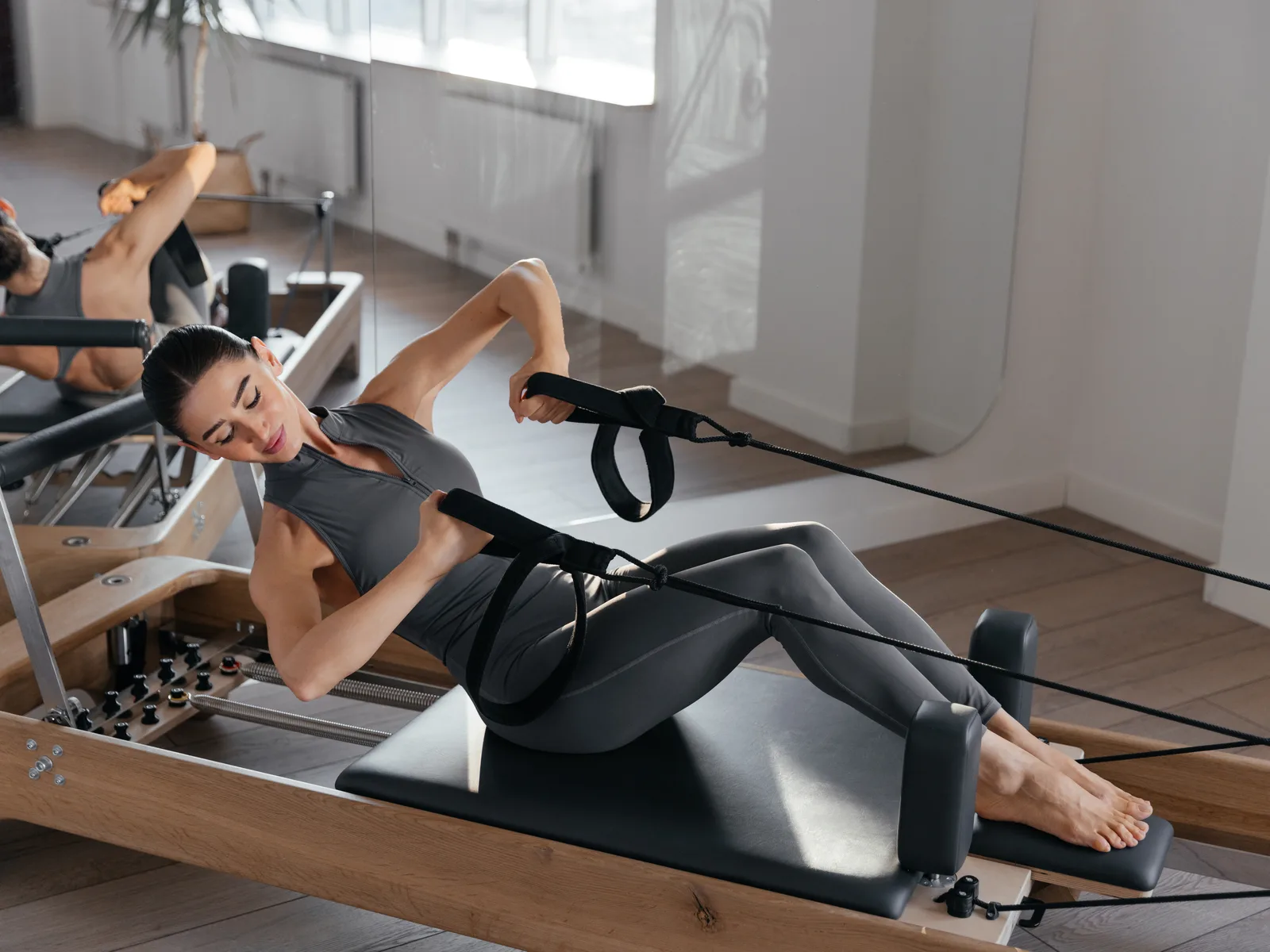
Format moves the weight between lines. A strength gym’s exposure concentrates in loaded movement and the equipment under it. A group studio’s scales with the number of people moving at once under a single instructor. A yoga or Pilates studio’s rests on instruction and on hands-on adjustment. All three need the same six lines, but a different line leads the conversation in each.
Door access is another example. Keyholder hours change who saw an incident and what your records can establish afterward, and underwriters ask about it directly. The unstaffed hours post covers the questions and why carriers differ.
Events are another. On the day of an in-house competition, a sponsored-event endorsement can be the reason coverage steps back. The athletic participants exclusion post reads that endorsement for what it removes and what it leaves alone.
What none of these lines answers
Member data sits outside every line above. A gym holds names, stored payment credentials, intake notes, and door records, and the six lines described here do not answer a claim that arises from that information. The member data post states the gap plainly and points to where that coverage lives.
Other claim types can sit outside the six lines too, such as an employment claim brought by a staff member or an allegation of misconduct. The quote should say, for each one, whether it is covered, excluded, or not offered at all.
Where you operate shapes the rest. The state pages set out what changes where you operate, so start from the one that matches your facility.
Questions to put to your quote
A quote that lists policy names answers the wrong question. Ask for the program line by line and work down it:
- Which of the six lines are on this quote, and which are missing?
- What does the exclusions section remove from each line, and which endorsements carry a schedule?
- Do the floor and the instruction sit on separate policies or one?
- What sits beneath the umbrella, and does the instruction line sit there too?
- Does anything on the quote depend on the hours the door is unlocked?
- Who is named on the lease side, and on what schedule?
A quote that answers those can be compared with another, line against line, because you can see what each one covers and what it leaves out. One that does not is a price attached to a list of names.
Bring the answers to the person placing the program, along with how you actually run the facility: the formats on your schedule, the hours the door is open, the events you host, and what your lease and any franchise agreement ask of you. The program is only as accurate as that description, and a claim is the wrong moment to find out where it was thin.